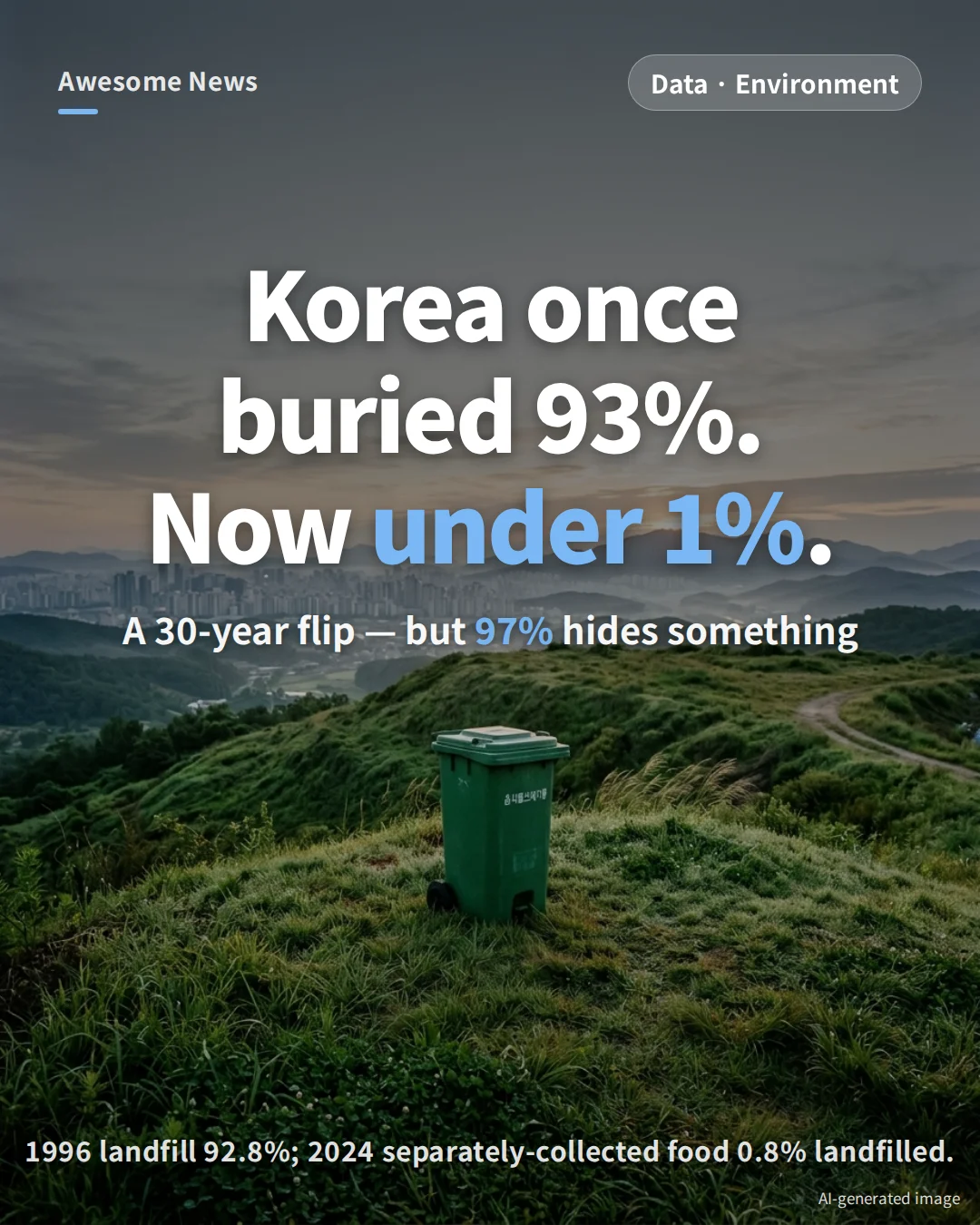
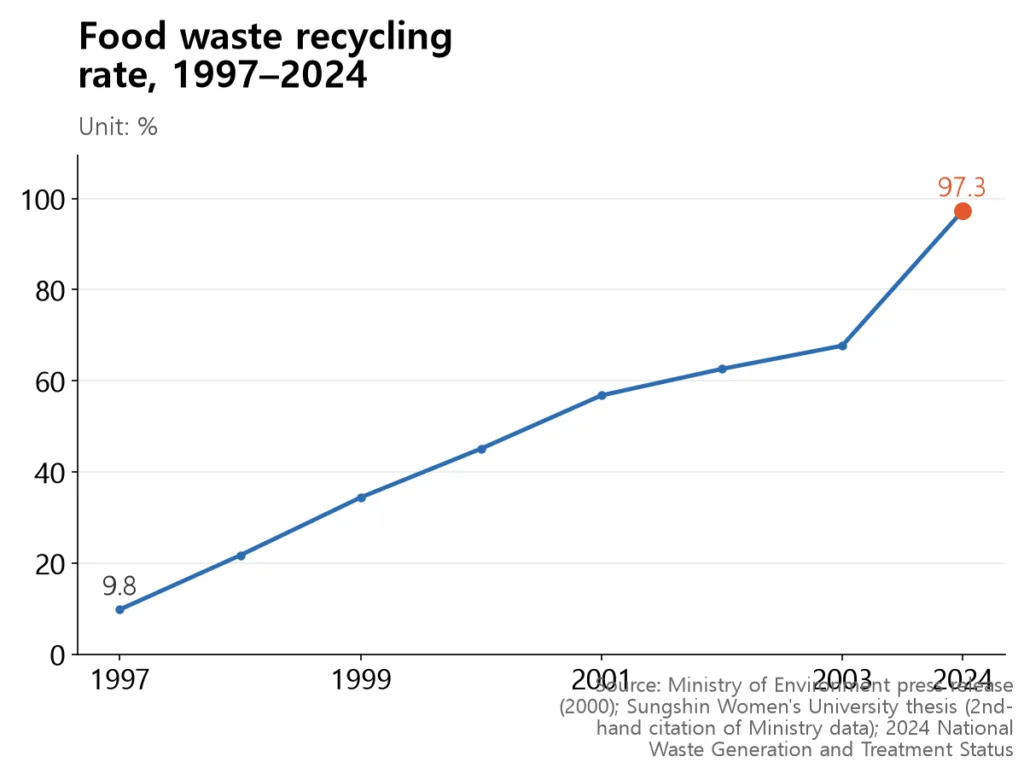
In 1996 South Korea buried 92.8% of its food waste in landfills (Ministry of Environment figures, as cited in an academic thesis). By 2024, of the 4.48 million tons of food scraps that households set out separately, 97.3% was recycled and only 0.8% was landfilled (Ministry of Climate, Energy and Environment and the Korea Environment Corporation, *2024 National Waste Generation and Treatment Status*). The United States, by contrast, still landfilled about 60% of its food waste in 2019. In three decades, Korea has gone from a country that buried food waste to one that almost never does.
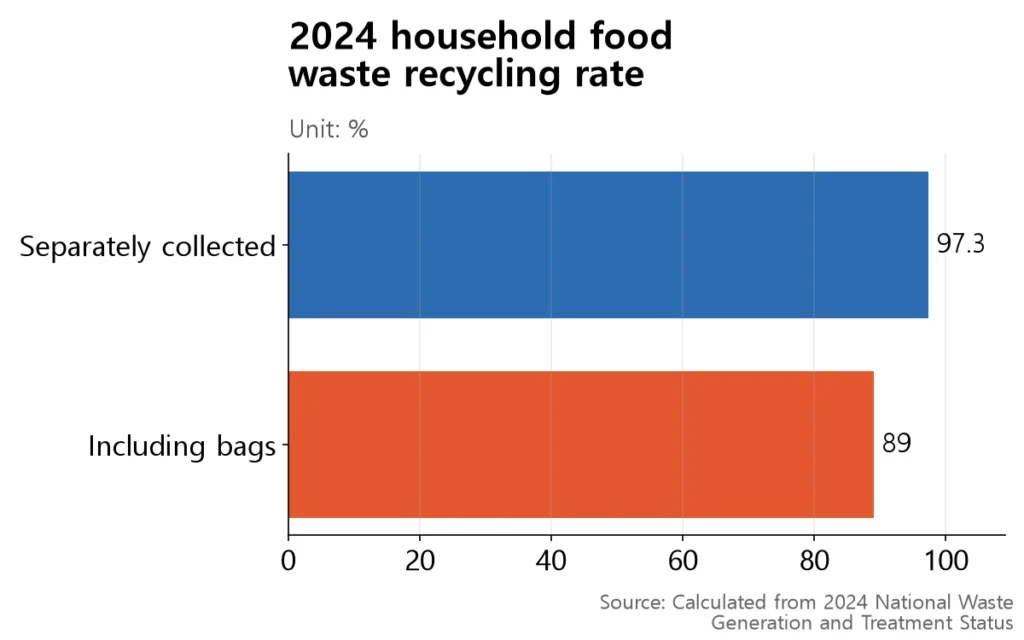
That 97% headline has a missing piece. If you add the food scraps that households toss into general pay-as-you-throw garbage bags, the recycling rate drops to 89.0% (calculated). This article tracks the recycling rate from 1997 to 2024, why it changed, how much each person throws out, where the collected food goes, and what to watch for when reading the 97% figure.
Key numbers at a glance
- Recycling rate went from 9.8% in 1997 to 34.4% in 1999 — a 3.5× jump in two years (Ministry of Environment press release, 2000)
- In 2024, 97.3% of 4.48 million tons of separately-collected household food waste was recycled; only 0.8% was landfilled
- The United States still landfilled about 60% of food waste in 2019 (US EPA)
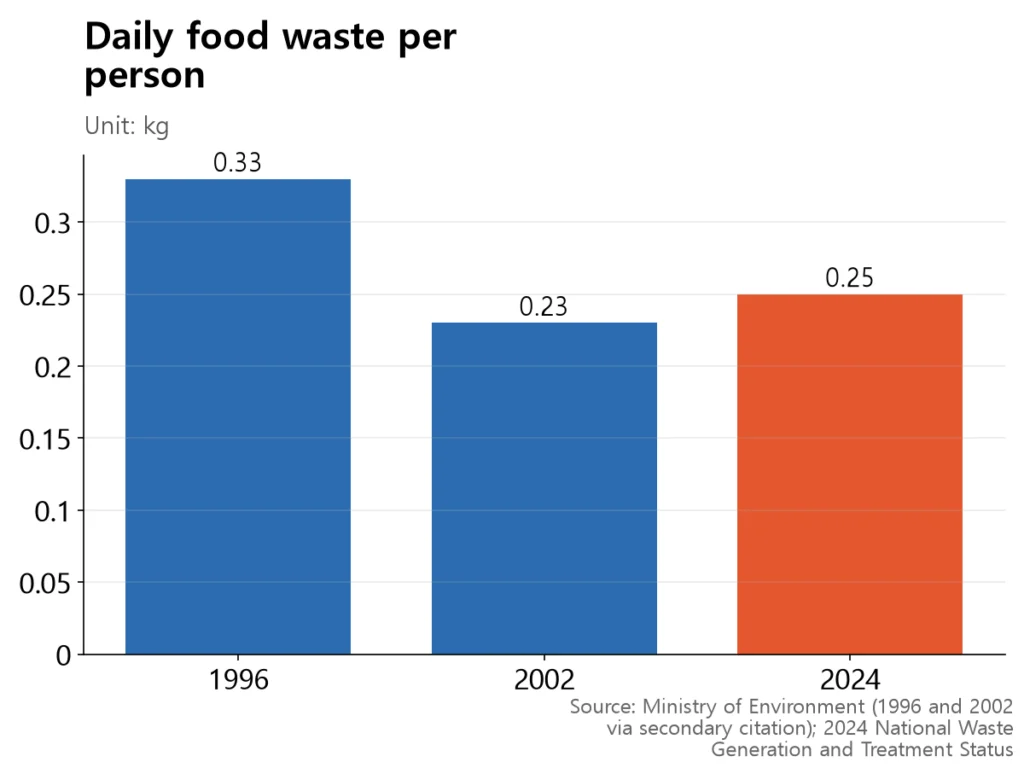
- Per-person daily food waste fell from 0.33 kg (1996) to 0.25 kg (2024) — about a quarter less
- Including the 541,000 tons of food thrown into general trash bags, the rate falls to 89.0% (calculated)
From 9.8% to 97.3% — a 30-year reversal
A 2000 Ministry of Environment press release recorded the 1997 food waste recycling rate at 9.8%: of 13,063 tons generated per day, only 1,275 tons were recycled. The figure then climbed to 21.7% in 1998 and 34.4% in 1999. According to Ministry of Environment numbers reproduced in a Sungshin Women’s University thesis, it kept rising: 45.1% in 2000, 56.8% in 2001, 62.6% in 2002, and 67.7% in 2003.
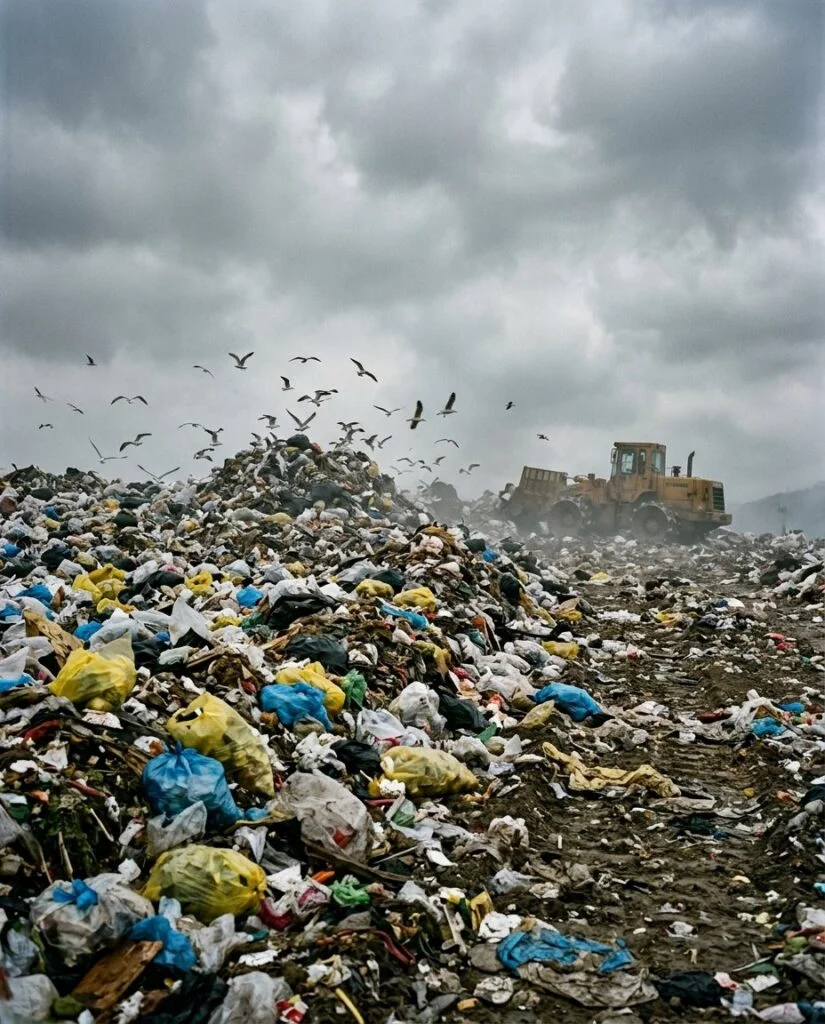
The 2024 numbers flip the picture. Of 4,484,882 tons of household food waste set out separately, 97.27% was recycled and only 0.76% was landfilled (calculated from the 2024 statistics table 2-a-1). What was once “garbage to bury” has become “a resource to collect.”
The contrast with the US sharpens the picture. According to US Environmental Protection Agency data for 2019, roughly 60% of the 66 million tons of food waste from retail, food service and homes was still landfilled.
Why it changed — the land and the sea closed off
The three-fold jump in two years did not happen by choice. By the late 1990s, places to bury food waste were disappearing. South Korea introduced a volume-based waste fee system in 1995 — households now paid for garbage by the bag. In 1996, residents near the Sudokwon landfill (which serves the Seoul metropolitan area) blocked trash trucks over leachate pollution. Separating food scraps at the household level became one of the few options left.
The Ministry of Environment’s 2000 press release reports that the number of food-waste recycling facilities grew from 46 in 1997 to 231 in 1999, with 11.3 billion won in central government funding and 8.8 billion won in recycling industry support. By then, 93% of local governments (216 jurisdictions) had passed ordinances, and 4.89 million of 14.94 million households (32.7%) were separating food waste into dedicated containers or bags.
| Year | Policy / event |
|---|---|
| 1995 | Volume-based waste fee system takes effect |
| 1996 | Residents block the Sudokwon landfill |
| 1997→1999 | Food-waste recycling facilities: 46 → 231 |
| 2005 | Direct landfilling of food waste banned |
| 2013 | Ocean dumping of food wastewater banned; weight-based RFID bins introduced |
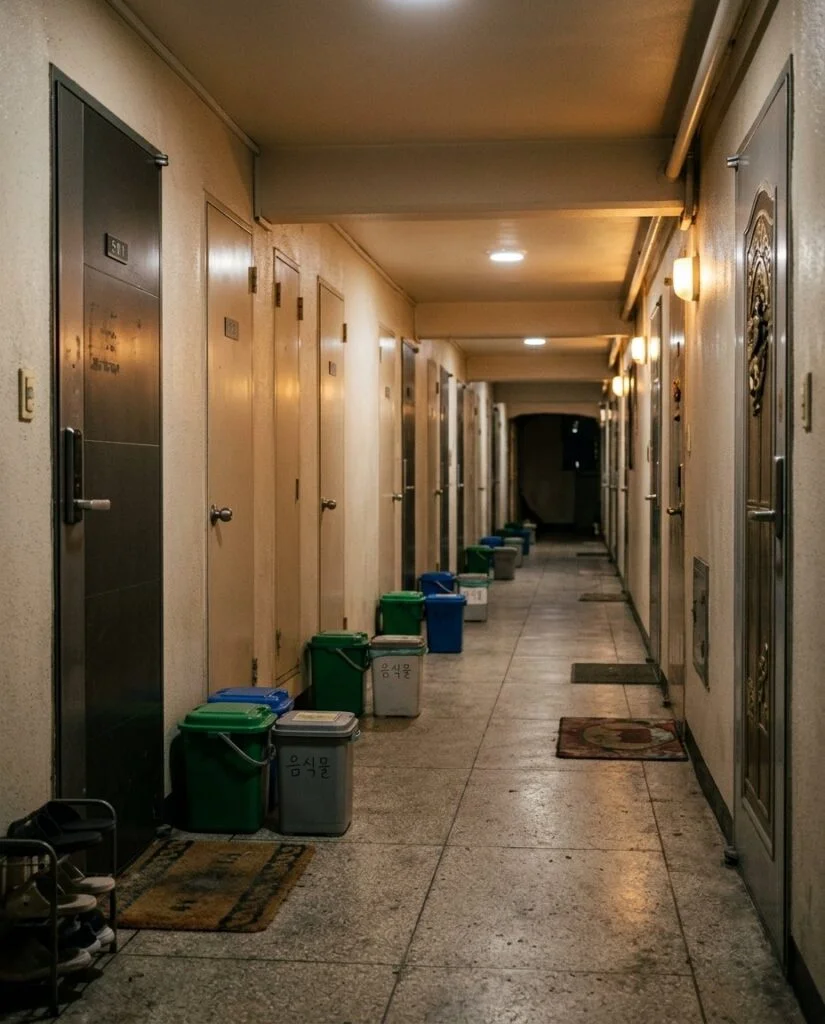
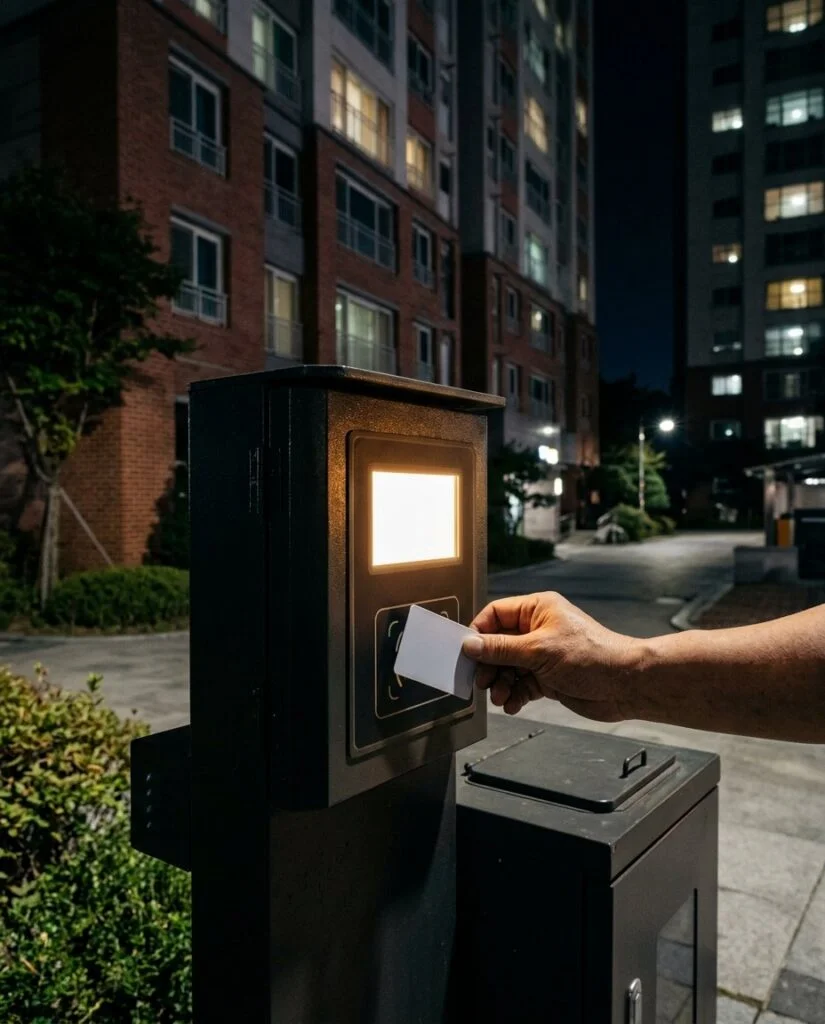
In 2013, the ocean dumping of food-waste wastewater (locally called *eumpyesu*) was banned. The daily Seoul Shinmun reported at the time that treatment firms demanded fees rise from about 80,000 won per ton to 120,000–130,000 won, triggering what the press called a “food waste crisis.” The same year, apartment complexes started installing RFID bins that weigh each resident’s food waste and charge accordingly.
Per-person food waste: down about a quarter
Once separation became household routine, the quantity itself fell. Ministry data cited in the thesis put per-person daily food waste at 0.33 kg in 1996, dropping to 0.23 kg in 2002. The 2024 *National Waste Generation and Treatment Status* reports 0.25 kg per person per day, unchanged from the previous year.
The drop came in the first years of volume-based fees, and the 2024 level is close to 2002 (year-by-year figures for 2004–2023 were not checked for this article). In other words, Korea moved not toward “waste a lot, recycle a lot” but toward “waste less and recycle more” at the same time.
Local examples go further. Seoul Shinmun reported in 2014 that in apartment blocks in Seoul’s Yeongdeungpo district that had switched to RFID bins, average monthly food waste fell from 1,220 tons to 797 tons — a 34.7% drop.
Where separated food waste goes
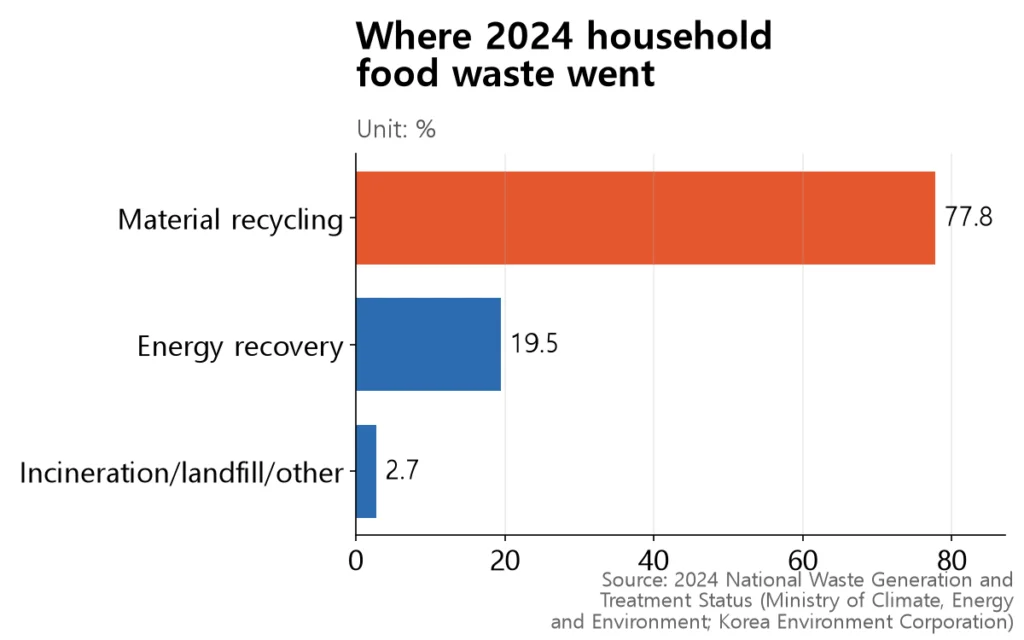
Collected food waste comes back as animal feed, compost, and energy. Of the 4.48 million tons of household food waste separately collected in 2024, 77.8% (3.489 million tons) went to material recycling such as feed and compost, 19.5% (874,000 tons) was recovered as energy like biogas, 1.1% was incinerated, 0.8% landfilled, and 0.8% other (calculated from the 2024 statistics).
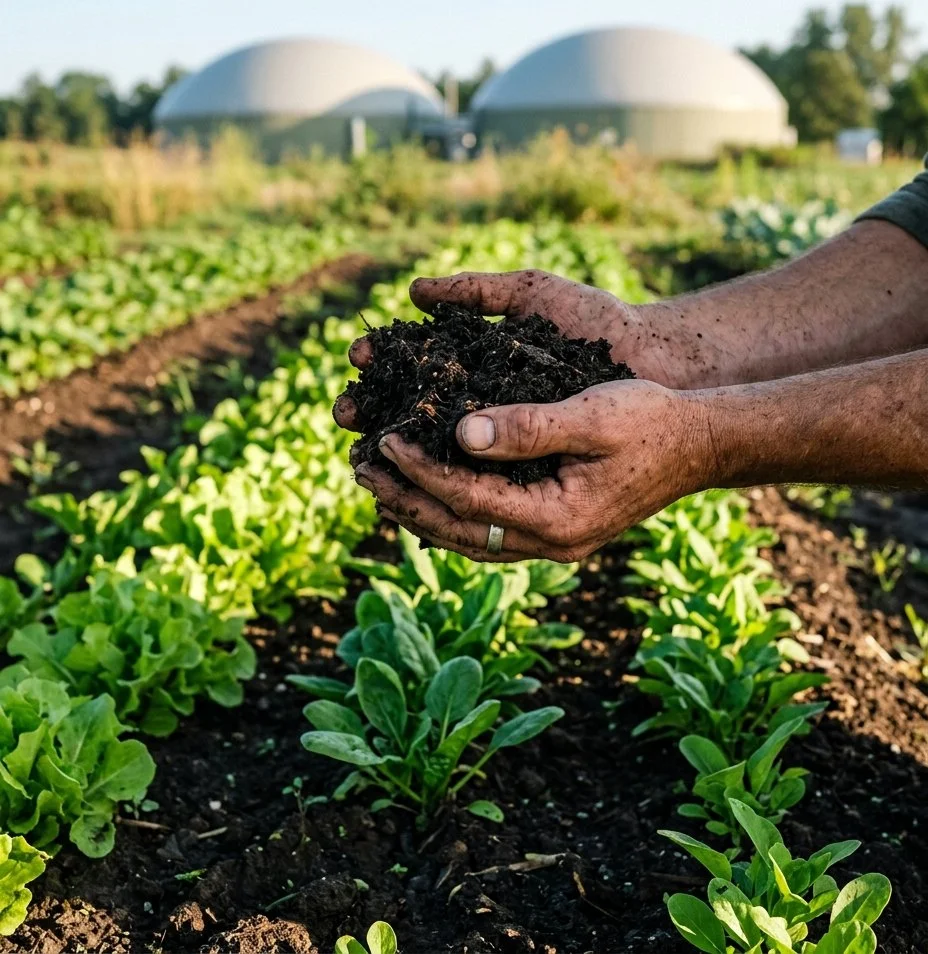
Older breakdowns were different. According to Rural Development Administration livestock research cited in the thesis, in 2003 recycled food waste was split roughly 50% feed and 44% compost, and in 1998 feed alone made up 73%. The 2024 statistics no longer separate feed, compost, and biogas — only “material recycling” versus “energy recovery.”
In June 2024 the government’s *Biogas Production and Use Promotion Strategy* set a goal of using biogas to displace 230 billion won worth of fossil fuels per year by 2026. The figure is not for food waste alone — it covers the full organic waste stream including livestock manure and sewage sludge, so it should be read as such.
The 97% trap — food still inside the bags
The 97% figure does not cover all household food waste. It covers only food that was set out separately. The 2024 statistics also measure food waste that ended up inside general pay-as-you-throw garbage bags — 541,000 tons. That is 10.8% of all household food waste (roughly 5.02 million tons combined).
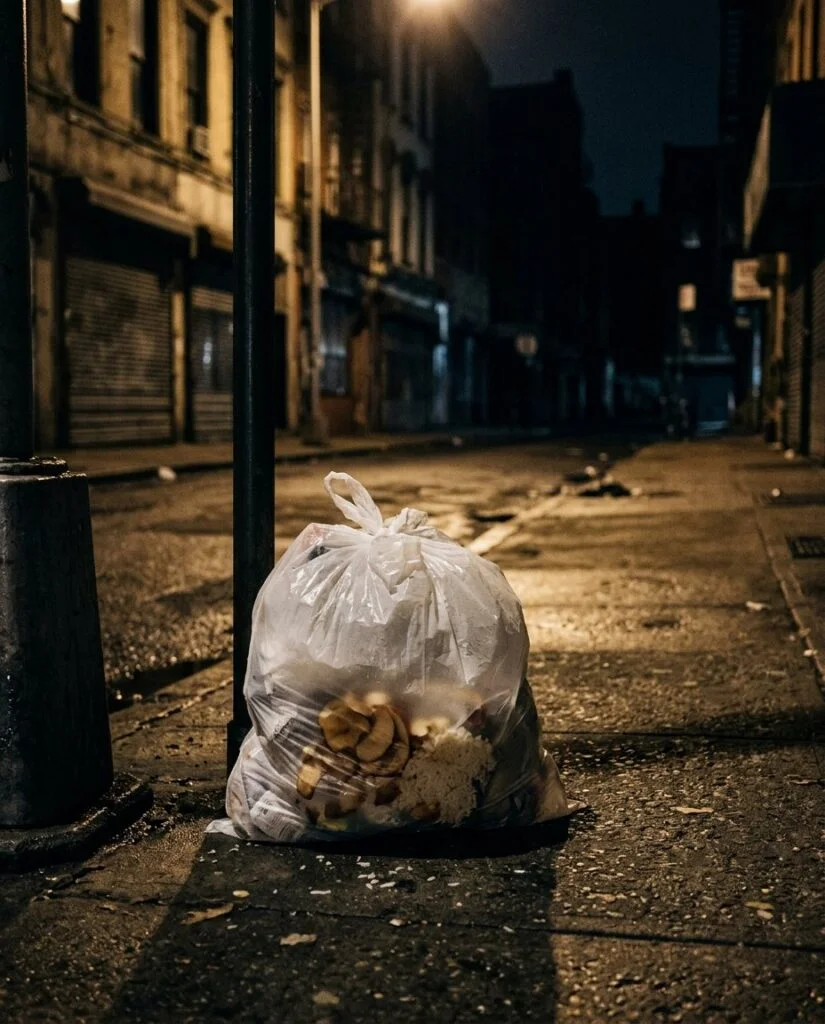
Food inside those bags takes a very different path: only 20% is recycled, while 64% is incinerated and 15% is landfilled. Combining the separately-collected stream (97.3%) with the 541,000 tons stuck in general bags brings the overall household food-waste recycling rate down to 89.0% (calculated).
One more caveat: in these statistics, “recycling” means the amount sent to a recycling facility. Whether the resulting feed and compost actually get used or sold is a separate question. The Seoul Shinmun reported in 2013 that of 102 companies turning food waste into fertilizer, only 9 (8.8%) were actually selling finished product. The number is more than a decade old, but the gap between “what went into the facility” and “what was actually used” is still a real one.
How to read these numbers
- The 1996 landfill share of 92.8%, the 2000–2003 recycling rates, and the 1996/2002 per-capita figures come from a thesis quoting Ministry of Environment statistics. Only the 1997–1999 recycling rates and the 2024 figures were checked against the Ministry’s originals.
- 97.3% and 89.0% have different bases. The first covers only separately-collected food waste; the second includes food that ended up in general trash bags, covering all household food waste (calculated).
- “Recycling” means waste sent to a recycling facility. Whether the resulting feed or compost was actually sold or used is not broken out in the statistics.
- Generation volumes in the 1990s and in 2024 are defined differently. Earlier figures cover all food waste, while 2024 covers only the separately-collected stream, so direct comparisons of totals should be read with care.
- The 230 billion won biogas target covers the full organic waste stream — livestock manure and sewage sludge as well as food waste. Reading it as a food-waste-only target overstates it.
- The 2005 direct-landfill ban, the 2013 ocean dumping ban, and the RFID introduction date are as reported in the press; the underlying legal texts were not directly checked for this piece.
Summary
In 1996, 92.8% of South Korea’s food waste went into landfills. In 2024, only 0.8% does. When burial space closed off, bins appeared in every apartment hallway. When weight-based pricing arrived, the volume itself dropped. Of what gets collected, roughly eight parts out of ten return as feed or compost and about two in ten as biogas or other energy. But the 97% figure covers only food set out separately: once the 10.8% stuck in general trash bags is added back, the household rate is 89%. Nine out of ten of the way there — the last one is still in the bag.

Awesome News on Instagram @awesome_news_kr
This article is the research behind our Korean-language card news. Every morning we turn Korean data and official sources into short visual stories. See it on Instagram →
Sources
- Ministry of Climate, Energy and Environment; Korea Environment Corporation — 2024 National Waste Generation and Treatment Status (Korean) (2025)
- Ministry of Environment — In 1999, 3,860 tons of food waste per day recycled, lifting the recycling rate to 34.4% — Ministry press release (Korean) (2000)
- Sungshin Women’s University — A Study on the Improvement of Food Waste Resource Recovery Policy — graduate thesis, Tables 1 and 8 (Korean)
- Seoul Shinmun — 95.4% of food waste landfilled — article dated 1996-12-06 (Korean) (1996-12-06)
- Seoul Shinmun — The food waste crisis — article dated 2013-01-16 (Korean) (2013-01-16)
- US Environmental Protection Agency (EPA) — Food: Material-Specific Data
- Ministry of Environment — Biogas Production and Use Promotion Strategy, 2024-06-20 (Korean, reposted text) (2024-06-20)
- New York City Independent Budget Office (IBO) — Curbside Composting: Current Trends in NYC’s Organics Collection (cites San Francisco rate) (2026-04)
📊 Download the data
Every number in this article’s 5 charts and tables, in one CSV file (opens in Excel or Google Sheets). When you cite it, please name the original source and link to this page.
Download CSV