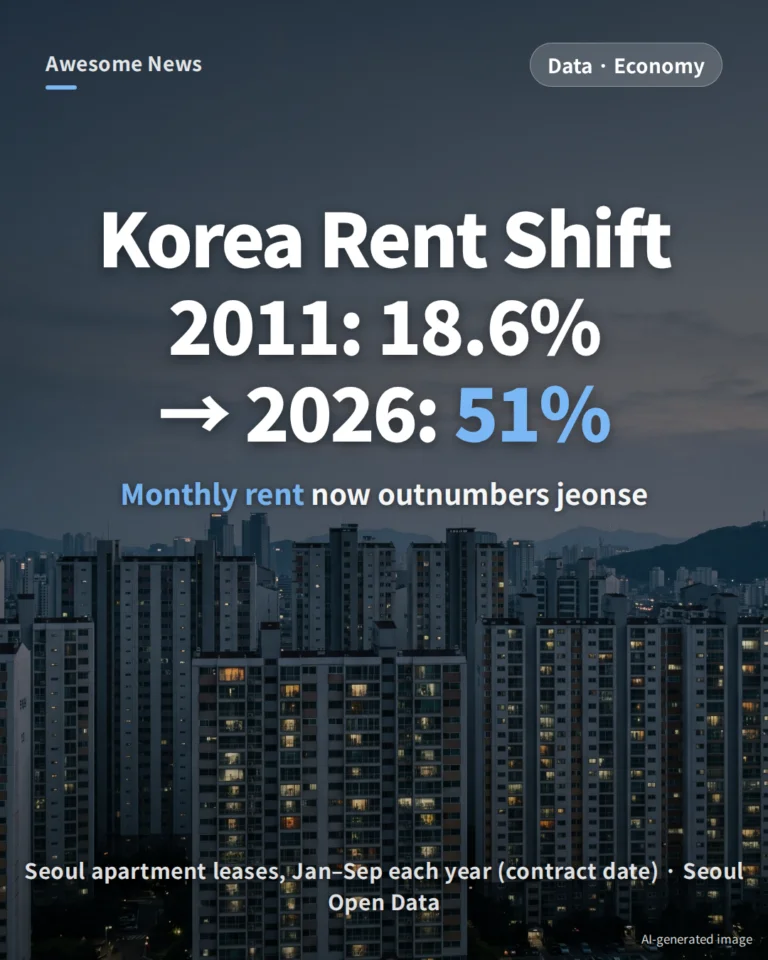
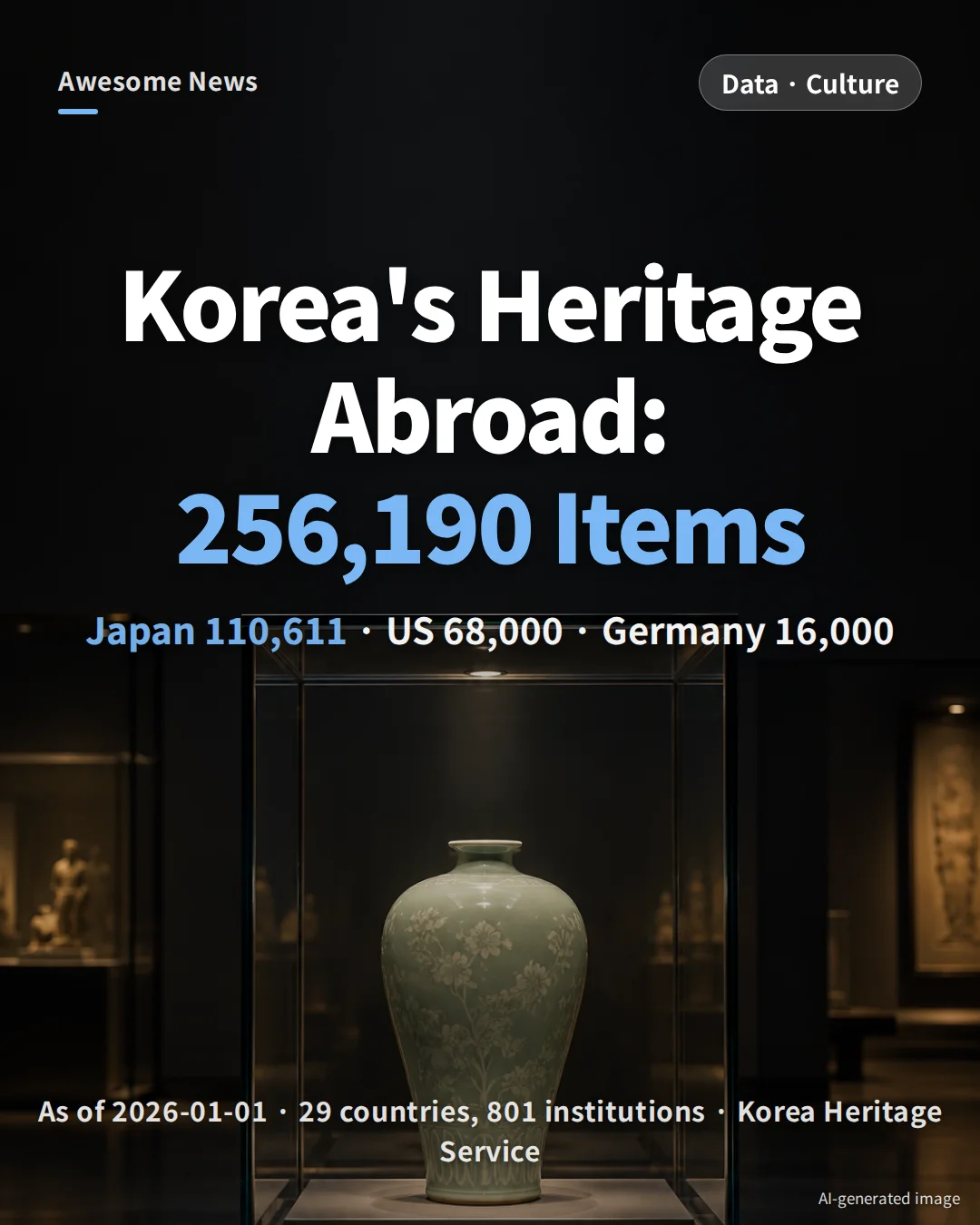
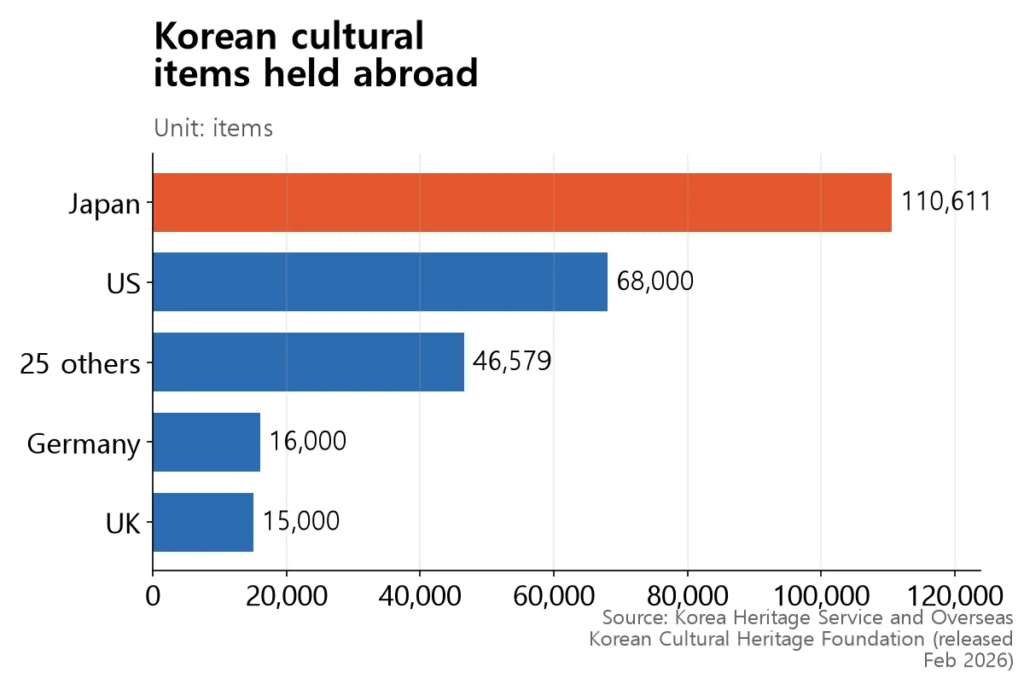
The Oegyujanggak royal protocols, famously ‘returned’ to Korea in 2011, are still legally owned by France: they came back as a loan renewed every five years. They are one piece of a much larger picture — 256,190 Korean cultural items sit in 801 institutions across 29 countries as of January 1, 2026, and Japan alone holds 110,611 of them (43.2%). This article walks through where the objects are, what ‘return’ actually means in each case, how other European countries handle the question, and what France’s new 2026 restitution law changes for Korea.
Key numbers at a glance
- 256,190 Korean cultural items abroad (as of 2026-01-01; Korea Heritage Service and Overseas Korean Cultural Heritage Foundation).
- Japan: 110,611 items (43.2%) · United States: about 68,000 · Germany: about 16,000 · United Kingdom: about 15,000.
- Only 2,855 items have come home through the Foundation to date.
- The Oegyujanggak uigwe (royal protocols) arrived in 2011, but on a loan renewed every five years — France still owns them.
- France enacted a framework restitution law (Law 2026-351) on 2026-05-09, letting the government return looted items from 1815–1972 by decree alone.
1. Where they are — 110,000 in Japan alone
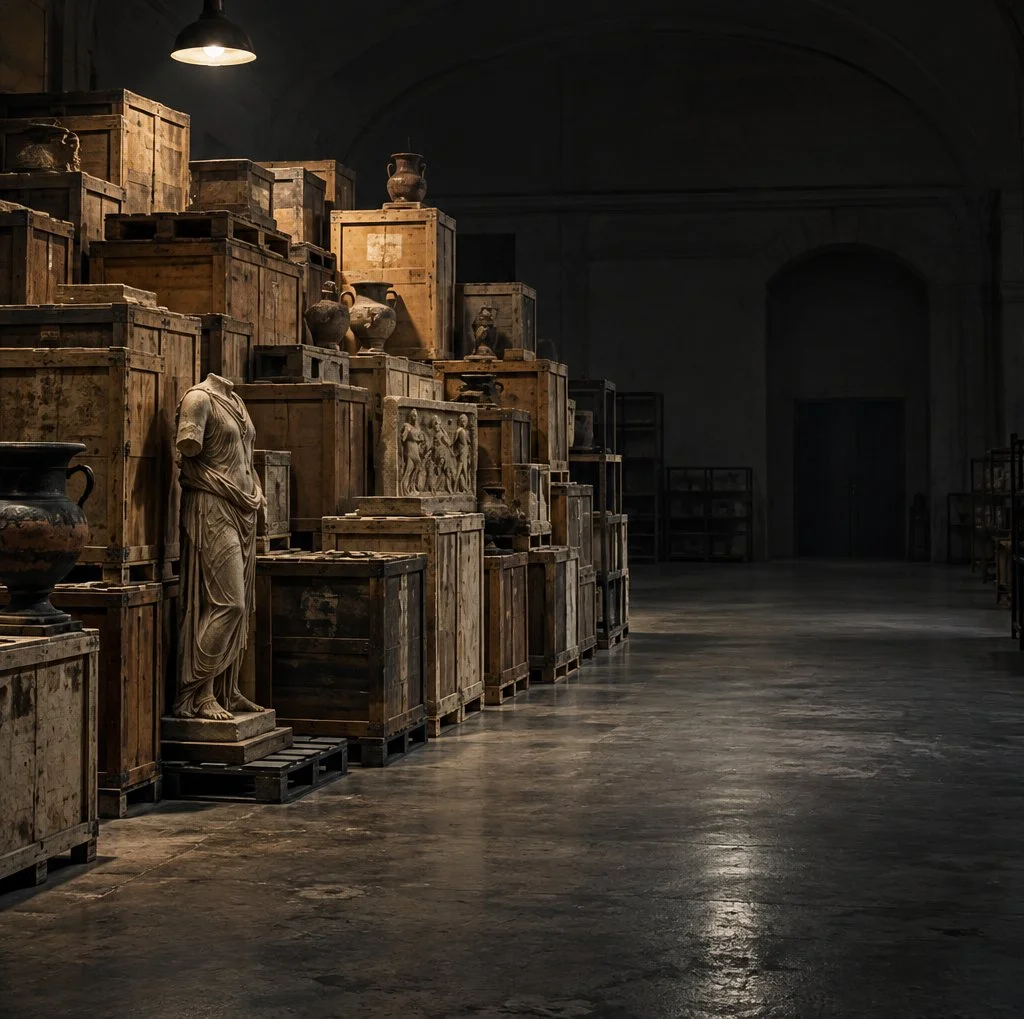
According to the February 2026 release by the Korea Heritage Service and the Overseas Korean Cultural Heritage Foundation, Korean cultural items abroad number 256,190, spread across 801 institutions in 29 countries. Japan is far ahead at 110,611 (43.2%), followed by the United States (about 68,000), Germany (about 16,000) and the United Kingdom (about 15,000). The U.S., German and British figures are approximate values from press reports.
Why the count keeps rising
The total grows each release, but the Foundation says this reflects wider surveys, not new outflows. The count was 214,208 in 2022, 246,304 in early 2024, and 256,190 in early 2026.
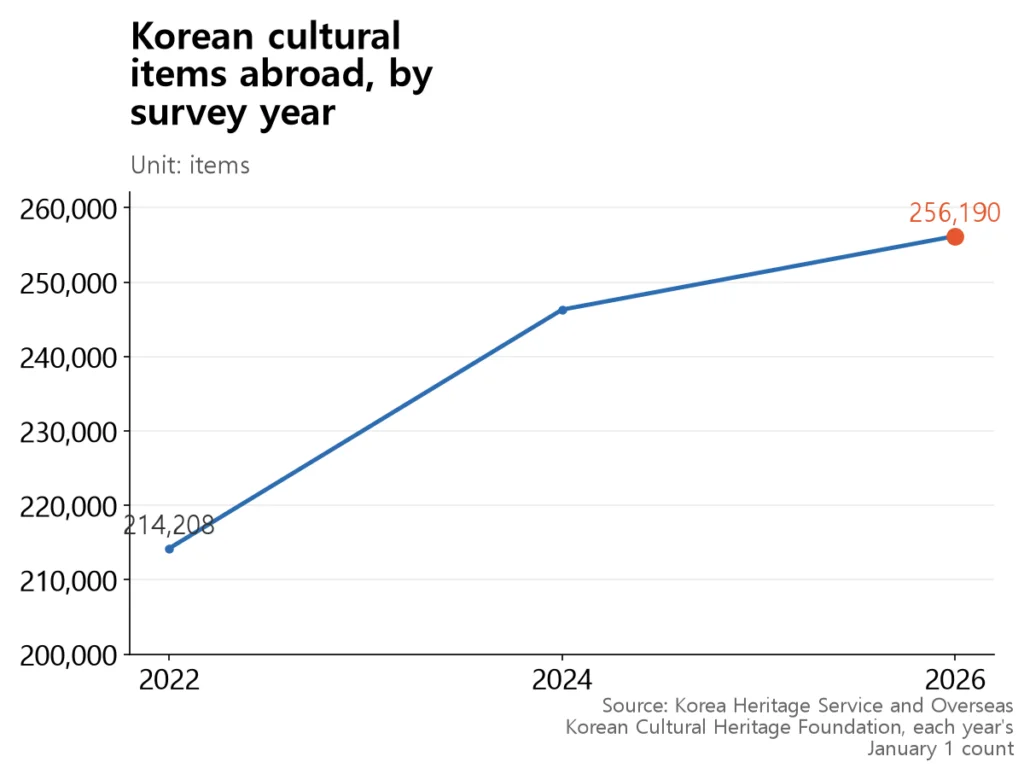
Only 2,855 items have been repatriated via the Foundation in total — about 1.1% of the overseas count (calculated). But reading the 256,190 as ‘items that still need to come home’ is misleading. The figure also includes items acquired through legitimate sales and private donations to foreign museums.
2. ‘Returned’ but not owned — the Oegyujanggak uigwe
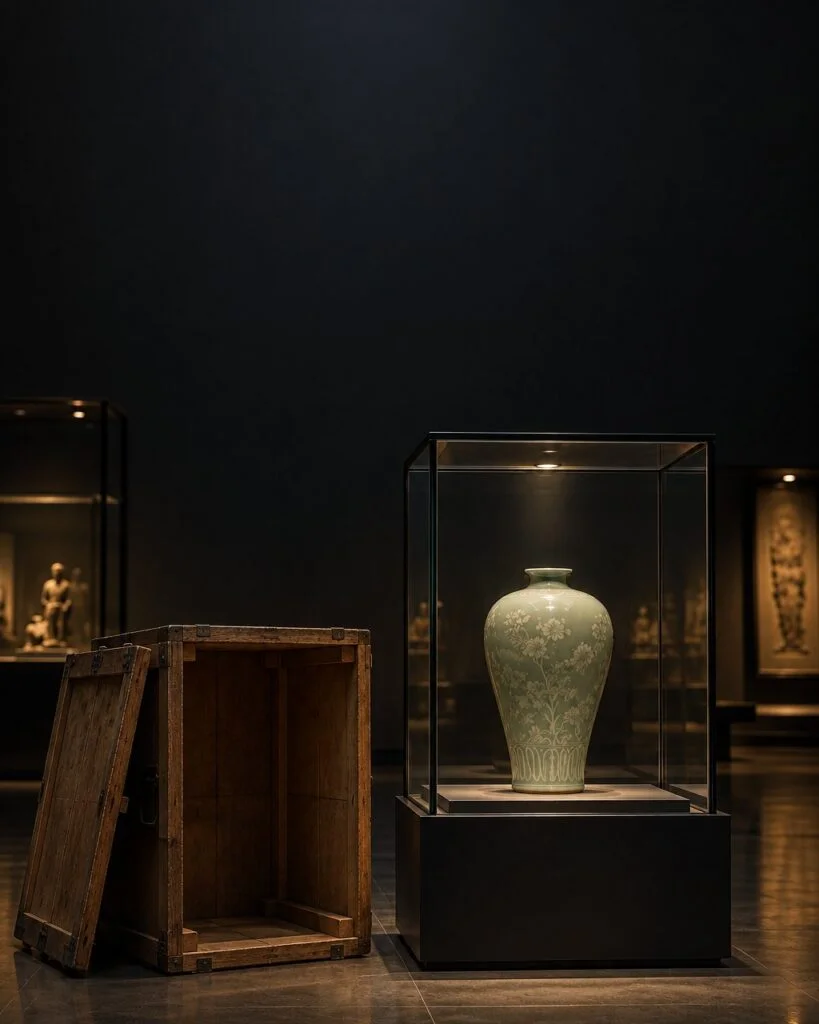
The Oegyujanggak uigwe — royal protocols of the Joseon dynasty, seized by French troops during the 1866 Byeongin Yangyo (French campaign against Korea) — are often described as having come home in 2011. In fact, they returned in four shipments in April–May 2011 as a five-year renewable loan. France still owns them. Fifteen years on, Korea is still ‘borrowing’ its own records.
Also in 2011, Japan’s Imperial Household Agency sent back 150 titles in 1,205 volumes, including Joseon royal protocols. Japan called this a ‘handover’ (indo), not a ‘return’ — the same wording it used for the 1,432 items delivered under the 1965 Korea–Japan treaty (arrived 1966). Tokyo has avoided the word ‘return’ since the normalization talks, on the grounds that it would amount to admitting the items were taken illegally. The vocabulary stayed, but ownership did pass to Korea.
| Item | Year | Form | Current owner |
|---|---|---|---|
| Oegyujanggak uigwe (from France) | 2011 | 5-year renewable loan | France |
| Joseon royal protocols etc. (Japan Imperial Household Agency) | 2011 | Handover | Korea |
| 1965 treaty items — 1,432 pieces (Japan) | 1966 | Handover | Korea |
| Odaesan Sillok (Tokyo University) | 2006 | Donation | Korea |
3. Europe splits between ‘loan back’ and ‘hand over’
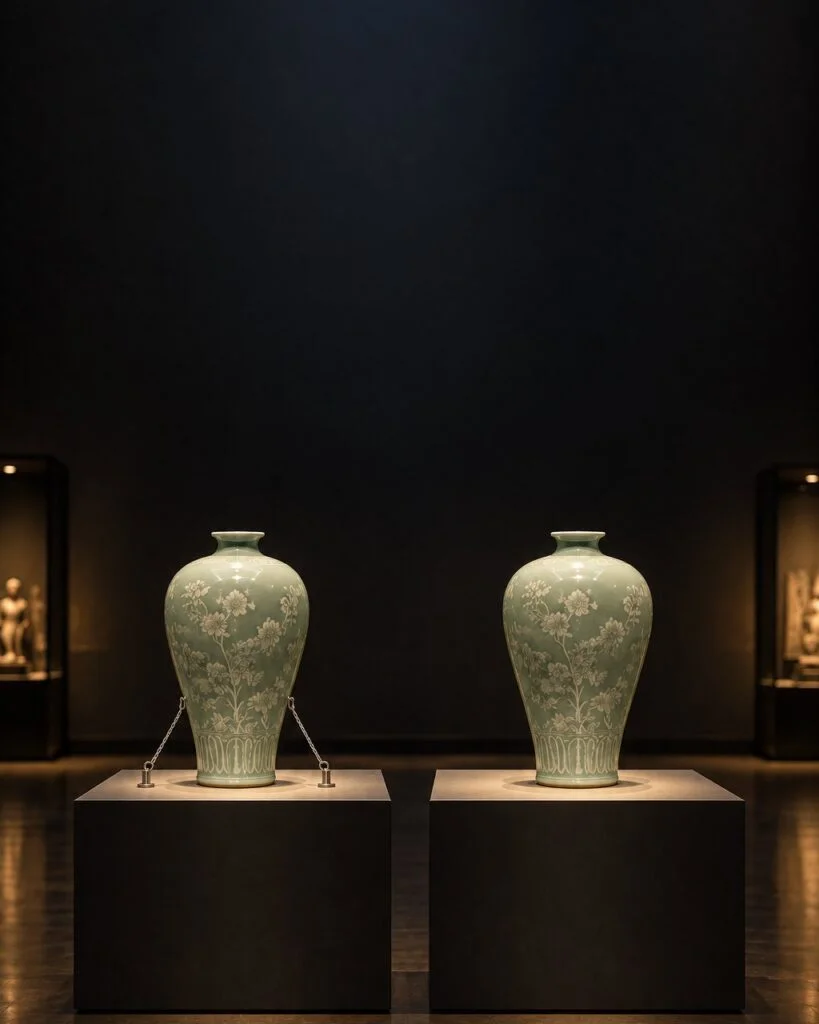
Countries facing the same question have split into two camps. The UK reads the 1963 British Museum Act as blocking permanent disposals, so it offers only loans. In January 2024 the museum sent 32 pieces of Asante royal gold back to Ghana on a three-year loan — the same arrangement as the Oegyujanggak: physically back, but still owned by the taker.
In September 2026, Greek Prime Minister Mitsotakis rejected a British Museum proposal to loan back the Parthenon Marbles, saying Greece would not accept ‘borrowing’ pieces of its own monument (as reported by Brussels Signal).
Germany and the Netherlands have gone the other way. In 2022 Germany transferred ownership of 512 Benin Bronzes (held by the Prussian Cultural Heritage Foundation in Berlin) to Nigeria. About a third of those pieces are staying on loan in Germany for at least 10 years — the mirror image of the Korean case, where title moves back to the origin country while some objects remain with the former holder. The Netherlands transferred ownership of 478 items to Indonesia and Sri Lanka in July 2023.
| From → To | What | Form |
|---|---|---|
| UK → Ghana | 32 pieces of Asante royal gold (2024) | Long-term loan |
| UK ↔ Greece | Parthenon Marbles | Loan proposed → Greece refused (2026-09) |
| France → Benin | 26 royal treasures (2020) | Ownership transfer (ad hoc law) |
| Germany → Nigeria | 512 Benin Bronzes (2022) | Ownership transfer |
| Netherlands → Indonesia · Sri Lanka | 478 items (2023) | Ownership transfer |
4. France rewrote its restitution rules this year
French state collections are legally inalienable: items cannot be sold or given away. Until now, each restitution needed its own act of Parliament. That is how France returned 26 royal treasures to Benin in 2020 — and it is why the 2011 Oegyujanggak transfer could only be dressed up as a loan.
On May 9, 2026, France promulgated a framework restitution law (Law 2026-351). The Senate had passed it unanimously on January 28; the National Assembly voted on May 6 and the Senate confirmed on May 7. Two points matter:
- The law covers items looted, stolen or taken under duress between November 1815 and April 1972.
- Ownership can now be transferred by government decree alone — no new law is needed per case, though a scientific committee and a parliamentary advisory committee must review each decision.
The 1866 seizure of the Oegyujanggak uigwe falls inside the 1815–1972 window. Korean media have described the new law as opening a path for a permanent return.
| Year | France |
|---|---|
| 2011 | Oegyujanggak uigwe — ownership not transferred; 5-year renewable loan only |
| 2020 | Benin royal treasures (26 pieces) — returned under a bespoke law |
| 2026-05 | Framework restitution law — looted items 1815–1972 returnable by decree |
But it is not a done deal
A few cautions. The new law excludes military items and requires committee review for each restitution. Whether the Oegyujanggak uigwe will actually be processed under it has not been decided, and there is no reporting yet of a formal request from the Korean government. The honest reading is: a path is open, nothing more.
A separate item often mentioned alongside is Jikji (1377, the world’s oldest surviving book printed with movable metal type). It reached the Bibliothèque nationale de France through a French diplomat’s private collecting in the 1880s–1890s, then auction and donation. Analysts cited by Herald Business argue that acquisition path makes it hard to recover even under the new law.
5. ‘Back’ and ‘given back’ are not the same word
Grouping all of the above by who owns the item today separates three things usually lumped together as ‘return’.
| Form | Examples | Current owner |
|---|---|---|
| Ownership transfer | Germany’s 512 Benin Bronzes · Netherlands’ 478 items | Origin country |
| Handover / donation | Japan Imperial Household Agency protocols · Odaesan Sillok | Korea |
| Loan | Oegyujanggak uigwe · Asante royal gold | Taking country |
6. How to read these numbers
- ‘The 256,190 overseas items are all loot’ is wrong. The count includes museum and gallery holdings, so legitimate sales and donations are in there too.
- The number grows because surveys grow, not because new items are flowing out.
- ‘All 297 Oegyujanggak volumes returned in 2011’ is imprecise. 296 volumes arrived in four shipments in 2011; the 297th is the volume brought back by President Mitterrand in 1993 (we could not verify the 1993 inclusion in official documents).
- ‘The new French law means Oegyujanggak is about to become Korean’ is speculation. The dates and reasons fit, but a review process remains, and no official Korean request has been reported.
- The 2,855 items returned via the Foundation are not an all-channel total. We could not find an official cumulative figure for all channels since 1955.
Summary
There are 256,190 Korean cultural items abroad, and 110,000 of them are in Japan alone. Behind the single word ‘return’ sit three different arrangements: handover or donation, where ownership moves to Korea (Japan’s Imperial Household Agency protocols, the Odaesan Sillok); loan, where only the objects move (the Oegyujanggak uigwe, the Asante gold); and the rising European model of outright ownership transfer (Germany’s Benin Bronzes, the Netherlands’ 478 items). The Oegyujanggak uigwe have been in Korea for 15 years but are still owned by France. France’s May 2026 framework law opens a path toward changing that. For now, ‘came back’ and ‘given back’ remain different words — and the Oegyujanggak sits somewhere between the two.

Awesome News on Instagram @awesome_news_kr
This article is the research behind our Korean-language card news. Every morning we turn Korean data and official sources into short visual stories. See it on Instagram →
Sources
- Korea Heritage Service · Overseas Korean Cultural Heritage Foundation — Overseas Korean cultural heritage, 2026-01-01 figures (Korean) (2026-02-18)
- Ministry of Culture, Sports and Tourism — Press release on the Oegyujanggak uigwe return (four shipments, 296 volumes) (Korean) (2011)
- French Senate — Framework law on restitution of looted cultural property (Law 2026-351) (2026-05-09)
- Herald Business — Analysis of the new French restitution law for Oegyujanggak and Jikji (Korean) (2026-05-08)
- Al Jazeera — Germany signs joint declaration transferring ownership of 512 Benin Bronzes (2022)
- Government of the Netherlands — Decision to return 478 cultural items to Indonesia and Sri Lanka (2023-07-06)
- Brussels Signal — Mitsotakis rules out British Museum loan as Parthenon Marbles talks stall (2026-09)
📊 Download the data
Every number in this article’s 6 charts and tables, in one CSV file (opens in Excel or Google Sheets). When you cite it, please name the original source and link to this page.
Download CSV